
Introduction
SEO for beginners has become one of the most searched topics online because more people want to grow websites, blogs, online businesses, and digital income using organic traffic from Google. In 2026, search engine optimization is no longer just about adding keywords. Modern SEO focuses on search intent, helpful content, user experience, topical authority, and website performance.
If you are searching for a beginner SEO guide that explains SEO step by step in simple language, this pillar content will help you understand how to rank higher on Google using modern SEO strategies.
This SEO tutorial for beginners covers:
- Search engine optimization basics
- Keyword research for beginners
- On-page SEO basics
- Technical SEO basics
- Internal linking strategies
- SEO tools
- Organic traffic growth strategies
- Common SEO mistakes
- Modern Google ranking factors
Whether you are a blogger, freelancer, affiliate marketer, business owner, or content creator, learning SEO can help you generate long-term traffic and online growth.
If you also want to build a profitable blog, check our complete guide on earning money online through blogging and digital skills.
SEO for beginners can feel overwhelming in 2026. Search engines are smarter, AI-powered search results are changing how content appears online, and competition is growing every day. But the good news is that SEO still works extremely well when you follow the right strategy.
If you want free traffic from Google, better visibility, and long-term online growth, learning SEO is one of the most valuable skills you can develop.
This beginner-friendly SEO guide explains everything step by step in simple language. You’ll learn how search engines work, how to find keywords, how to optimize your content, and how to build a website that Google trusts.
Whether you are a blogger, freelancer, business owner, or complete beginner, this guide will help you understand modern SEO in a practical way.
What Is SEO?
SEO stands for Search Engine Optimization. It is the process of improving your website so that it appears higher in search engine results when people search for topics related to your content.
The goal of SEO is simple:
- Increase organic traffic
- Improve website visibility
- Reach the right audience
- Build authority and trust
- Generate long-term results without paying for ads
Search engines like Google analyze websites using algorithms that evaluate:
- Content quality
- Relevance
- User experience
- Website speed
- Mobile usability
- Internal linking
- Backlinks and authority
Good SEO helps search engines understand your content while also improving the experience for users.
Why SEO Matters in 2026
SEO remains one of the most powerful digital marketing strategies because people actively search for information, products, and solutions every day.
Here’s why SEO matters more than ever in 2026:
1. Organic Traffic Is Free
Unlike paid advertising, SEO can continue driving visitors for months or years after publishing content.
2. AI Search Still Needs High-Quality Content
AI-powered search engines and Google AI Overviews still rely on trusted websites for information.
3. SEO Builds Long-Term Authority
Consistently publishing useful content helps your website become a trusted source in your niche.
4. Users Trust Organic Results
Most people trust websites ranking organically more than advertisements.
5. SEO Supports Online Income
SEO helps bloggers, affiliate marketers, businesses, and creators generate traffic, leads, and revenue.
How Search Engines Work
Understanding how search engines work helps beginners understand why SEO matters.
Search engines mainly use three processes:
1. Crawling
Search engines use bots called crawlers to discover pages across the internet.
These bots follow links to:
- Find new pages
- Understand website structure
- Analyze content
- Detect updates
A clear website structure helps search engines crawl your site efficiently.
2. Indexing
After discovering a page, search engines analyze and store it in their database.
Pages that are not indexed cannot appear in search results.
To improve indexing:
- Publish original content
- Use proper headings
- Add internal links
- Submit a sitemap to Google Search Console
3. Ranking
Search engines decide which pages should appear first for a search query.
Ranking depends on many factors including:
- Search intent
- Content quality
- User experience
- Mobile optimization
- Website speed
- Backlinks
- Authority signals
The better your content satisfies user intent, the higher your chances of ranking.
Types of SEO
Modern SEO includes multiple areas working together.
On-Page SEO
On-page SEO focuses on optimizing content directly on your website.
Examples include:
- Titles
- Headings
- Keywords
- Internal links
- Meta descriptions
- Image optimization
Off-Page SEO
Off-page SEO focuses on improving website authority through external signals.
Examples include:
- Backlinks
- Brand mentions
- Guest posting
- Social sharing
Technical SEO
Technical SEO helps search engines crawl and understand your website properly.
Examples include:
- Website speed
- Mobile responsiveness
- Sitemap setup
- HTTPS security
- Structured data
Website owners can monitor indexing performance using Google Search Console.
Keyword Research for Beginners
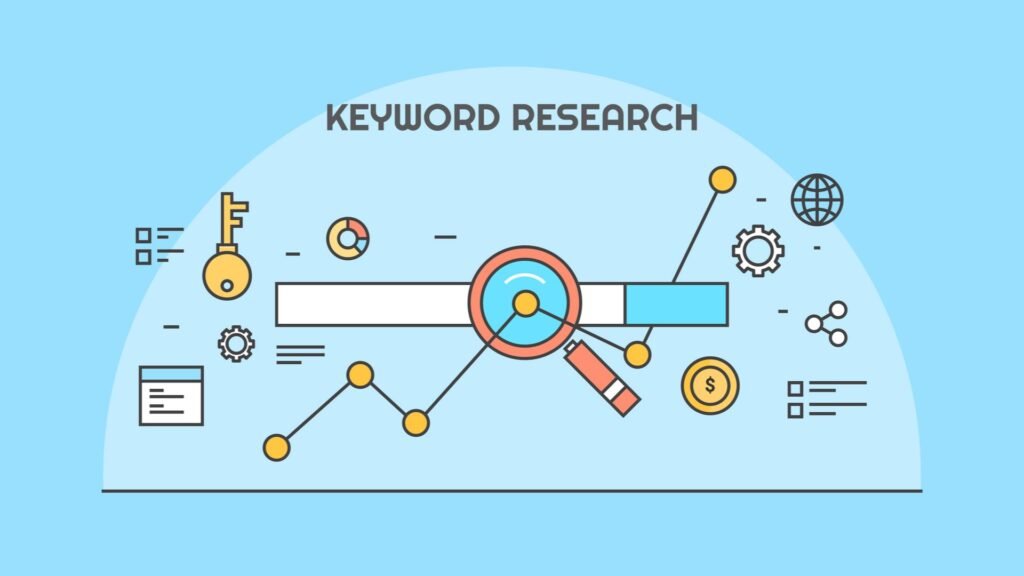
Keyword research is one of the most important parts of search engine optimization because it helps you understand exactly what users are searching for on Google.
A strong keyword research strategy helps beginners:
- Discover low-competition opportunities
- Understand user search intent
- Create optimized content
- Increase organic traffic
- Rank higher on Google
Modern SEO in 2026 focuses heavily on semantic keywords and topical relevance rather than repeating the same keyword excessively.
For this article, the primary keyword implemented is:
- SEO for beginners
Related semantic keywords naturally included throughout this pillar article:
- beginner SEO guide
- SEO tutorial for beginners
- learn SEO
- SEO basics
- search engine optimization guide
- SEO strategy 2026
- Google ranking guide
- website optimization
- organic traffic strategy
- SEO learning roadmap
This helps search engines understand the topic comprehensively while avoiding keyword stuffing.
Keyword research is the foundation of SEO.
Keywords are the words and phrases people type into Google.
Good keyword research helps you:
- Find content ideas
- Understand search intent
- Discover low-competition opportunities
- Create targeted content
What Is Search Intent?
Search intent means understanding what users actually want.
Common search intents include:
- Informational
- Transactional
- Navigational
- Commercial
Your content should match the user’s intent.
Best Free Keyword Research Tools
- Google Search Console
- Google Keyword Planner
- Ubersuggest
- AnswerThePublic
- Google Autocomplete
- Ahrefs Free Keyword Generator
According to Google Search Central, helpful and user-focused content remains one of the strongest ranking factors.
Beginner Keyword Strategy
Instead of targeting highly competitive keywords, beginners should focus on:
- Long-tail keywords
- Low-competition phrases
- Specific search intent
- Topic clusters
Example:
Instead of targeting: “SEO”
Target: “SEO for beginners in 2026”
Long-tail keywords are easier to rank for and often bring more targeted traffic.
On-Page SEO Basics
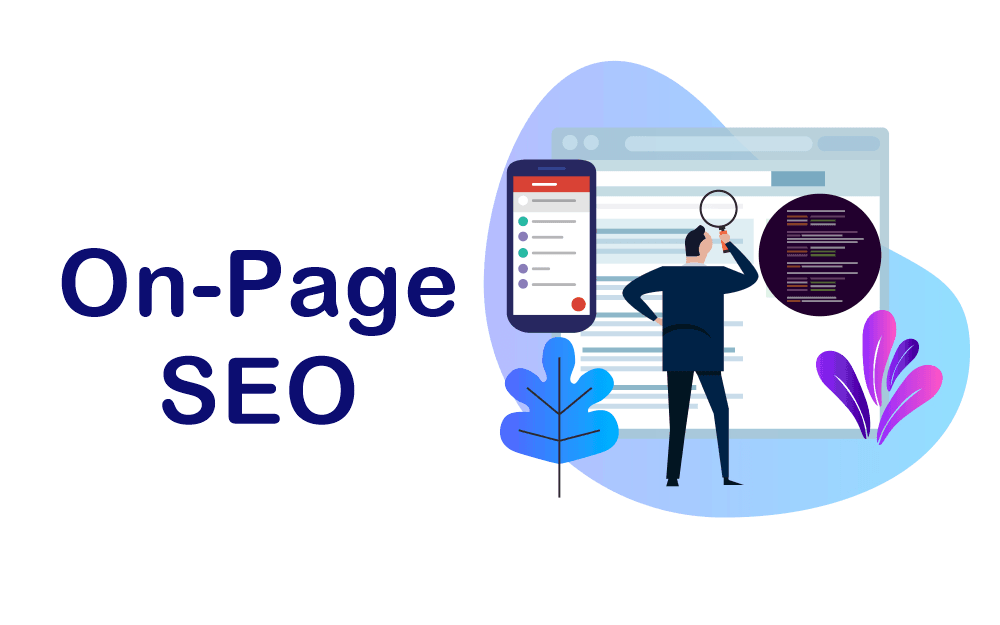
On-page SEO helps search engines understand your content better.
1. Optimize Your Title Tag
Your title should:
- Include the main keyword
- Be clear and compelling
- Stay under 60 characters
Example: SEO for Beginners in 2026: Step-by-Step Guide to Rank Higher
2. Write a Strong Meta Description
A meta description improves click-through rate.
Good meta descriptions:
- Explain the article clearly
- Include the target keyword
- Encourage users to click
3. Use Proper Heading Structure
Use:
- One H1
- Multiple H2 headings
- H3 subheadings where needed
This improves readability and SEO structure.
4. Optimize Content Naturally
Avoid keyword stuffing.
Instead:
- Use related keywords naturally
- Focus on readability
- Answer user questions clearly
5. Add Internal Links
Internal links help:
- Users navigate your website
- Search engines understand relationships between pages
- Improve topical authority
Technical SEO Basics
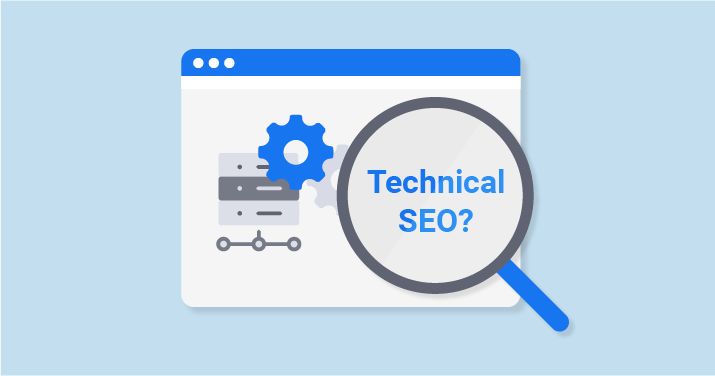
Technical SEO improves website performance and crawlability.
Website Speed
Fast websites improve rankings and user experience.
Improve speed by:
- Compressing images
- Using caching
- Reducing unnecessary scripts
- Choosing quality hosting
You can analyze website performance using Google PageSpeed Insights.
Mobile Optimization
Google uses mobile-first indexing.
Your website should:
- Load properly on phones
- Be easy to navigate
- Have readable text
- Use responsive design
XML Sitemap
A sitemap helps search engines discover your pages.
Submit your sitemap through Google Search Console.
HTTPS Security
Secure websites build trust and improve SEO.
Always use HTTPS.
Internal Linking Strategy
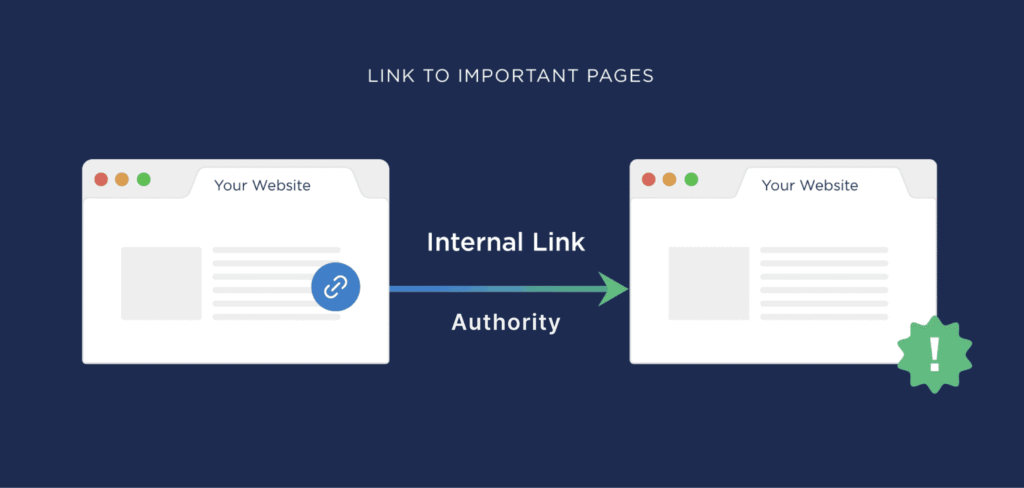
Internal linking is one of the easiest SEO improvements beginners can make.
Good internal linking helps:
- Pass authority between pages
- Improve crawling
- Increase user engagement
- Build topical authority
Example:
Your beginner SEO article should internally link to:
- Keyword research guide
- On-page SEO guide
- SEO tools article
- Link building guide
- Blogging guide
Every supporting article should also link back to this main pillar page.
Blogging remains one of the strongest ways to build long-term organic traffic and topical authority.
Common SEO Mistakes Beginners Make
Many beginners struggle because they make avoidable mistakes.
Keyword Stuffing
Repeating keywords excessively hurts readability and rankings.
Publishing Thin Content
Short low-value content rarely ranks well in 2026.
Ignoring Search Intent
Your content must solve the user’s actual problem.
Poor Internal Linking
Pages without internal links are harder for search engines to discover.
Slow Website Speed
Slow-loading websites negatively affect user experience.
Targeting Too Many Keywords on One Page
Focus on one primary topic per article.
Best Free SEO Tools for Beginners
Google Search Console
Helps monitor indexing, traffic, and keyword performance.
Google Analytics
Tracks visitors and user behavior.
Ahrefs Free Tools
Useful for keyword ideas and backlink analysis.
Ubersuggest
Helpful for beginner keyword research.
PageSpeed Insights
Measures website performance and Core Web Vitals.
SEO Checklist for Beginners
Use this checklist before publishing any article.
- Target one primary keyword
- Use proper headings
- Add internal links
- Optimize images
- Write a meta description
- Improve readability
- Add external authority links
- Ensure mobile optimization
- Improve page speed
- Add FAQ section
- Use schema markup
Frequently Asked Questions (FAQs)
What is SEO for beginners?
SEO for beginners means learning the basic techniques used to improve a website’s visibility on search engines like Google.
Is SEO still worth learning in 2026?
Yes, SEO remains one of the best long-term digital marketing skills because it generates sustainable organic traffic.
How long does SEO take to show results?
SEO usually takes between 3 to 6 months to show noticeable improvements depending on competition and website authority.
Can beginners learn SEO without coding?
Yes, beginners can successfully learn and apply SEO without coding knowledge.
What is the most important SEO factor in 2026?
Search intent, helpful content, user experience, and topical authority are among the most important SEO factors.
Does AI affect SEO?
Yes, AI is changing search results significantly, but high-quality human-focused content still performs best.
Google officially recommends creating people-first content rather than content designed only for rankings.
Conclusion
SEO for beginners in 2026 is about building a strong foundation with helpful content, proper keyword targeting, technical optimization, and topical authority.
This beginner SEO guide explained:
- How search engines work
- Keyword research for beginners
- On-page SEO optimization
- Technical SEO basics
- Internal linking strategies
- SEO tools and ranking factors
- Organic traffic growth methods
- Common SEO mistakes to avoid
If you consistently apply these SEO strategies, publish useful content, and improve your website structure over time, you can rank higher on Google and build sustainable long-term traffic.
The best way to learn SEO is through continuous practice, content publishing, and optimization.
Start with one optimized article, build supporting topical cluster content around it, and strengthen your internal linking structure to improve your website authority.
SEO takes time, but long-term consistency produces powerful results.

Absolutely loved reading this!
The way you’ve broken down SEO step-by-step is super clear and motivating. I’ve been wanting to understand SEO better, and this guide has given me so much confidence to start applying these strategies.
Thank you for sharing such valuable insights – truly inspiring!